
You need only one setup to make a living.
That line comes straight from legendary trader Linda Raschke, and it perfectly captures why so many beginners struggle. They chase dozens of complicated patterns, indicators, and signals. Meanwhile, the simplest, most reliable edge sits right in front of them: breakout trading.
Breakout trading for beginners works because you enter the moment the market leaves its range and starts trending. No waiting for pullbacks. No guessing tops or bottoms. You simply ride the move from the very start.
This complete breakout trading strategy gives you clear rules, exact entry setups, stop-loss placement, take-profit targets, and real chart examples. Everything comes from proven principles that traders have used for decades. You will finish this guide knowing exactly when to act and when to stay out.
What Is Breakout Trading?
Breakout trading means you get in once the market starts moving and get out when it stops.
It sounds almost too simple, right? Yet it delivers because you cannot make money while price chops sideways. The best spot to join a trend is right at the beginning.
Jesse Livermore, one of the greatest traders in history, lived by this. He wrote: “The thing to do is to watch the market, read the tape to determine the limits of the get-nowhere prices, and make up your mind that you will not take interest until the price breaks through the limit in either direction.” He also refused to buy on reactions or short on rallies.
Nicholas Darvas built a $2 million fortune by buying stocks only when they broke out of their “boxes” and kept rising. The famous Turtle Traders turned a simple breakout system into millions in commodities by entering on new highs or lows.
You see the pattern. Breakout trading ignores noise and catches real momentum. And yes, it works just as well for day traders as it does for swing traders.
Understanding Market Modalities – The Most Important Skill You Can Learn
Before you hunt breakouts, you must know one thing: Is the market trending or ranging?
Most new traders ignore this and lose money. They see a strong-looking candle and jump in, only to watch price reverse and chop around.
A ranging market moves between clear support and resistance levels. Price bounces up and down inside an invisible box. No sustained direction.
A trending market breaks out of that box and keeps going. That is your money-making moment.
Chart example of a range turning into a trend
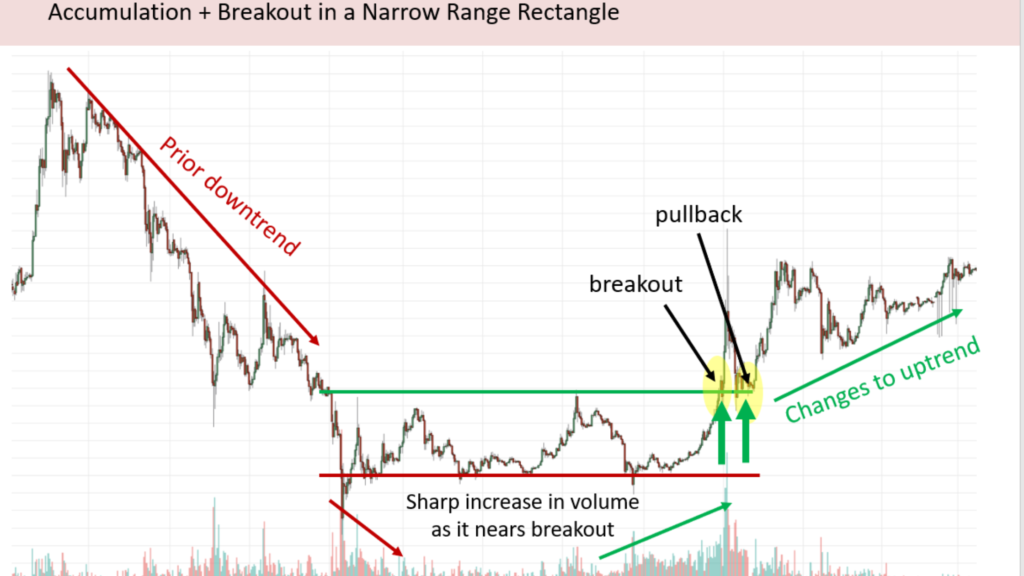
Look at the rectangle in the image above. Price stayed trapped between two clear levels for a while. Then a strong red bar exploded through support. That breakout bar closed outside the box and looked bigger than anything inside the range. That is the exact moment a range becomes a trend.
Now compare it to a “bloody range” where price just keeps oscillating:
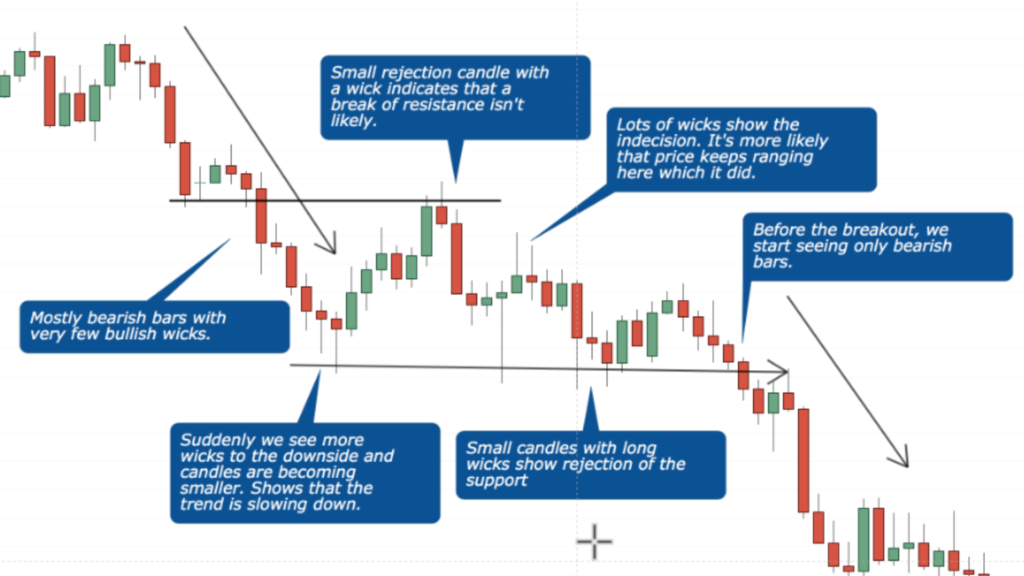
No breakout. No trend. Your job here? Sit on your hands and wait.
Draw a rectangle on every chart you trade. The top and bottom should touch at least one or two swing highs and lows. That rectangle becomes your reference point for every future breakout.
Simple Entry Rules for the Complete Breakout Trading Strategy
You enter on the close of a strong bar that closes outside your recent price range (outside the rectangle).
Here are the three exact criteria you must see:
- A well-defined range (your rectangle).
- A strong breakout bar that closes clearly outside that range.
- The breakout bar must be bigger than the bars inside the range but not ridiculously huge (no spikes).
The third rule separates winners from losers. A convincing breakout shows real conviction. A spike often means exhaustion and a quick reversal.
Real entry example
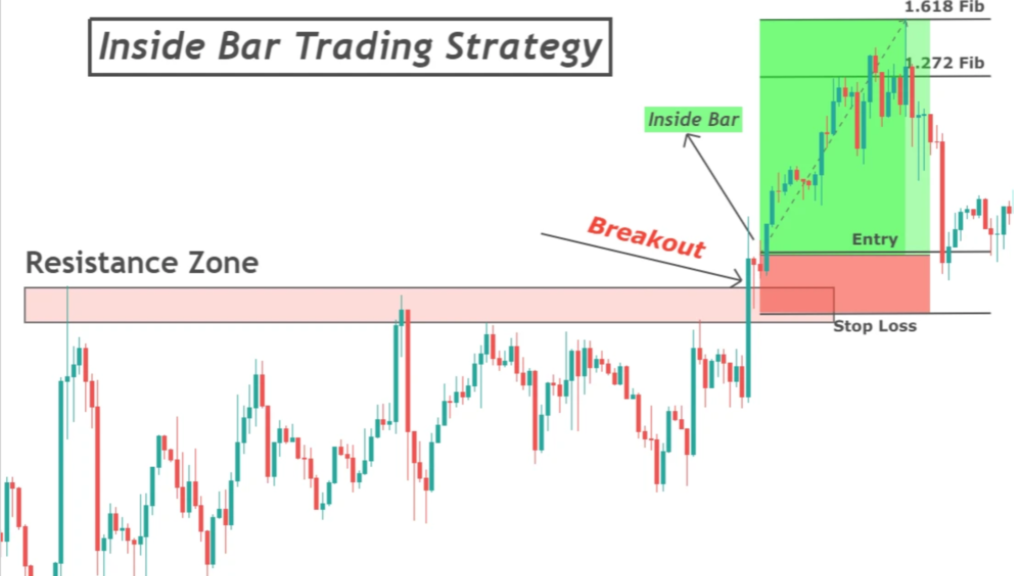
In the chart above, bar 1 closes strongly outside the range with a big body and almost no lower wick. That is your entry on the close. You do not need fancy indicators. Just price action and the rectangle.
Sometimes the first bar that pokes out is not strong enough. You simply wait for the next bar that meets all three rules. Patience pays here.
Where to Place Your Stop Loss
Strong trends rarely return to the range they just left. But markets love to test old levels first.
Place your stop 10–15% inside the range. This gives the trade room to breathe without getting stopped out on a quick wiggle.
If price comes back inside the range and hits your stop, the breakout failed. You exit quickly and move on. No revenge trading.
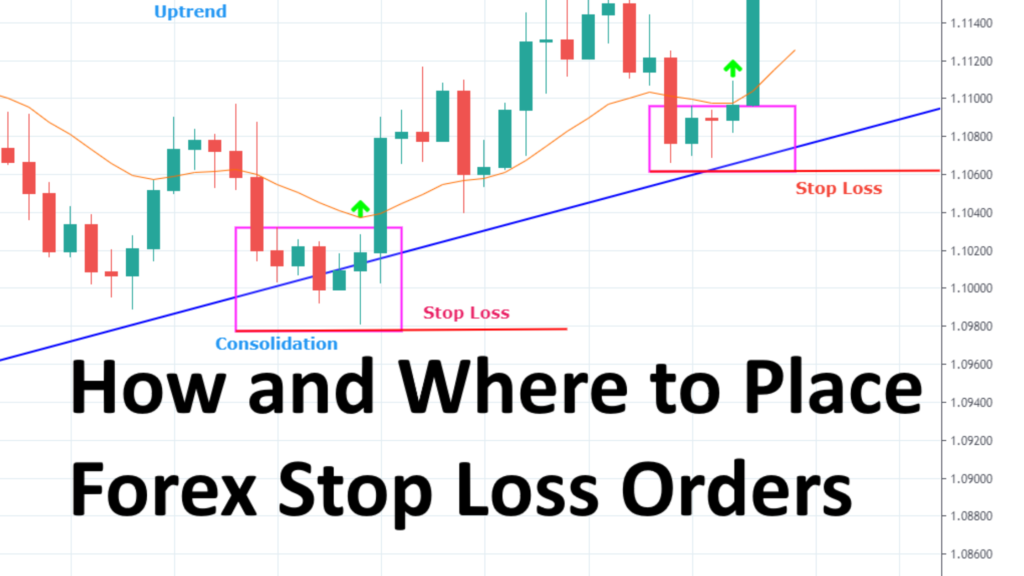
See how the stop sits comfortably inside the original range? That distance protects you while still letting winners run.
Take-Profit Rules That Actually Make Money
Here is the part most beginners get wrong: they take tiny profits and let losses grow.
Good breakout trades often travel much farther than you expect. Aim for at least 2:1 reward-to-risk. If you risk 15 ticks to your stop, your first target sits 30 ticks away.
You can take half your position off at 2:1 and let the rest run (more on that in a moment).
Risk-reward setup on a breakout chart
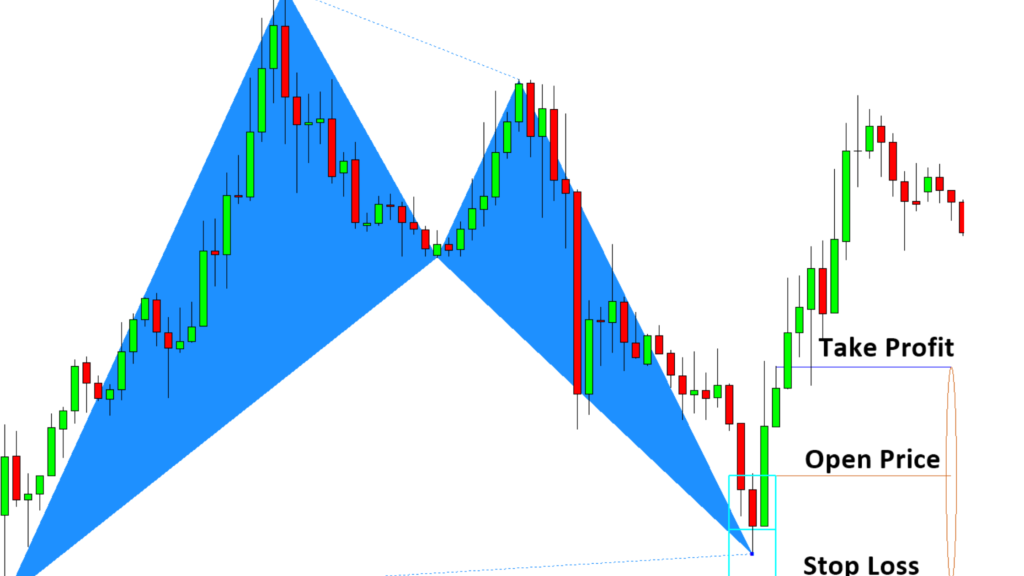
Simple math shows why this works. Even if you win only 50% of the time, you still come out way ahead. The book’s equity simulation proved it: consistent 2:1 winners with a 50% win rate grow your account steadily. Lower win rates (around 40%) still stay profitable if you stick to the rules.
The Art of Catching Monsters – How to Ride the Big Moves
Once you take half your position off at 2:1, treat the remaining half like a free runner.
Move your stop to breakeven. Now you risk nothing while you hunt for a monster trend.
Watch the 20-period exponential moving average (EMA). In strong trends it often acts like a magnet or trampoline.
Exit the runner when a bar closes on the opposite side of the EMA, or at the end of the trading day if you are day trading.
You will be amazed how far some breakouts run once you stop micromanaging them.
How to Boost Your Win Rate With Higher Timeframes
Want an extra edge? Check the higher timeframe before you take any trade.
If you trade 5-minute charts, glance at the daily. If you trade 30-minute charts, look at the weekly.
Only take breakouts that line up with the bigger trend. Trading against a strong higher-timeframe trend is like swimming upstream with weights on. Possible? Sure. Smart? Not really.
Pitfalls to Avoid (The Two Mistakes That Kill Most Traders)
- Taking poor setups If any of the three entry rules is missing, walk away. No exceptions.
- Mismanaging the trade Never move your stop to “protect” a small profit. Never ignore your plan once you are in.
Commit these rules to memory before you place your first live trade. Trading time should be about execution, not invention.
Where to Go From Here – Your Action Plan
You now hold a complete breakout trading strategy that works across markets and timeframes.
Here is exactly what to do next:
- Open charts of your favourite instrument (stocks, forex, futures – it does not matter).
- Mark every range and breakout you see.
- Save the good setups and poor setups in separate folders.
- Review those folders every single day.
Spend at least one full month demo-trading this strategy. Track every trade in a simple journal. Only when you are consistently profitable on demo should you go live.
Remember: you need only one setup to make a living. Master this one.
Final disclaimer Trading involves substantial risk of loss and is not suitable for everyone. Past performance does not guarantee future results. Use this strategy for education only. Always trade with money you can afford to lose.
You now have everything you need. No more guessing. No more complicated systems. Just clear rules, clean setups, and the confidence to act when the market breaks out.
Go mark up some charts today. Your first monster trade is waiting.
Frequently Asked Questions
What exactly is breakout trading?
Breakout trading is a simple strategy where you enter a trade the moment price breaks out of a clear trading range and starts trending. You buy or sell on the close of a strong candle that closes outside the recent high or low. The goal is to catch the trend right at the beginning instead of waiting for a pullback.
Is breakout trading suitable for beginners?
Yes – it is one of the best strategies for new traders. It uses clear, visual rules (rectangle + strong candle), requires no complicated indicators, and works on any market and timeframe. You only need to master one setup to become consistently profitable.
How do I know if a breakout is valid? Look for three things:
- A well-defined price range (rectangle).
- A strong breakout candle that closes clearly outside the range.
- The breakout candle must be bigger than the candles inside the range but not an extreme spike. If any of these is missing, stay out.
Where should I place my stop loss?
Place your stop 10–15% inside the original range. This gives the trade room to breathe but gets you out quickly if the breakout fails and price returns into the range.
What is the best take-profit rule for breakout trading?
Aim for a minimum 2:1 reward-to-risk ratio. Take half your position at 2:1 and let the rest run as a “free” trade. Move your stop to breakeven after the first target so you risk nothing on the second half.
How do I catch big “monster” trends?
After taking profit on the first half, watch the 20-period EMA. Keep the second half until a candle closes on the opposite side of the EMA or until the end of the trading day (for day traders). This simple rule lets you ride the really big moves.
How can I avoid false breakouts (fakeouts)?
Only take setups that meet all three entry rules. Check the higher timeframe — if the bigger picture is against you, skip the trade. False breakouts usually happen when the breakout candle is weak or too close to the range edge.
Do I need any indicators for this strategy?
No. The core strategy uses only price action and a simple rectangle. The 20-period EMA is used only for managing the runner portion of the trade. Keep it simple.
Can I use this strategy for day trading or swing trading?
Yes. The rules work exactly the same on 5-minute charts for day trading or on daily/weekly charts for swing trading. Day traders simply get more setups per week.
How long should I practice before trading live?
Demo trade this exact strategy for at least one full month on your favourite instrument. Only go live when you are consistently profitable on demo with the same rules. Remember — you need only one setup to make a living.
Does breakout trading work in every market?
It works in stocks, forex, futures, commodities, and cryptocurrencies. The market doesn’t matter — only whether price is ranging or trending.
What is the biggest mistake beginners make with breakouts?
Taking weak setups or moving the stop loss to “protect” a small profit. Stick to the rules 100% of the time. Trading should be about execution, not creativity.